
Our Team

Paul Batalden is Professor Emeritus of Pediatrics, Community and Family Medicine and the Dartmouth Institute for Health Policy and Clinical Practice at The Geisel School of Medicine, and Emeritus Professor of Quality Improvement and Leadership at Jönköping University in Sweden. For most of the last two decades he has been actively exploring the coproduction of health and care service.
Previously, for more than five decades, he practiced and taught about the leadership of improvement of healthcare quality, safety, and value. He founded, created or helped develop the Institute for Healthcare Improvement (IHI), the U.S. Veteran’s Administration National Quality Scholars program, the IHI Health Professions Educational Collaborative, the General Competencies of the Accreditation Council for Graduate Medical Education, the Center for Leadership and Improvement at Dartmouth, the Dartmouth Hitchcock Leadership Preventive Medicine Residency, the annual Health Professional Educator’s Summer Symposium, the initial SQUIRE publication guidelines, the Improvement Science Fellowship Program of The Health Foundation in the United Kingdom, the Vinnvård Improvement Science Fellowships in Sweden and the Kellogg Foundation Clinical Pharmaceutical Scholar program.
He was a Commissioner of the Joint Commission for the Accreditation of Healthcare Organizations and is currently a member of the Minnesota Academy of Medicine, the International Academy of Quality and Safety in Health Care and the US National Academy of Medicine of the U.S. National Academy of Sciences.
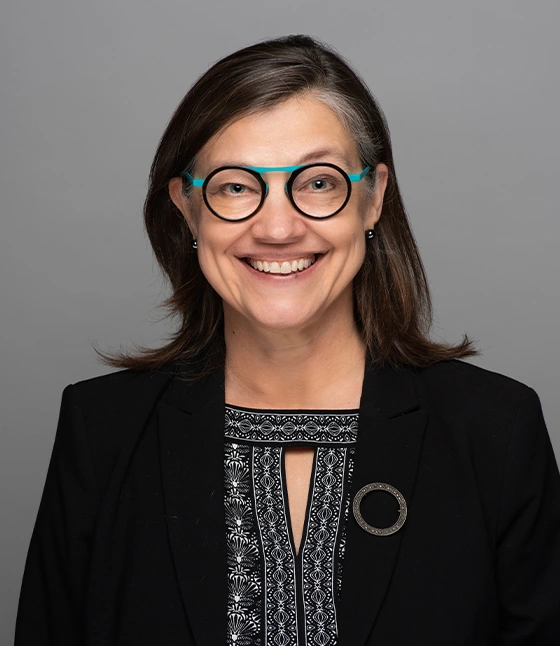
Julie K. Johnson, MSPH, PhD is a Research Professor at the University of North Carolina at Chapel Hill and an Associate Chair of Quality in the Department of Surgery.
Her career interests involve building a series of collaborative relationships to improve the quality and safety of health care through teaching, research, and clinical improvement. She uses qualitative methods to study processes of care with the ultimate goals of translating theory into practice, assess local QI readiness and local contextual adaptations, create patient and provider tools to facilitate implementation, and coordinate data collection for rapid cycle learning.
As a teacher, Dr. Johnson has a special interest in developing and using serious games to engage learners around important concepts related to understanding and improving the quality and safety of healthcare.
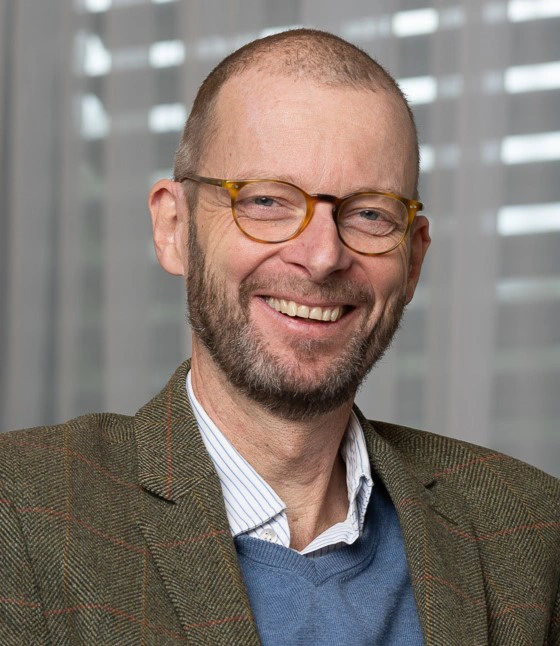
Christian von Plessen is an internist and recognized expert in healthcare quality at the University Centre for General Medicine and Public Health, Unisanté in Lausanne, Switzerland. He also serves as a senior lecturer at the University of Lausanne.
In addition, he advises the Health Authority of the Canton of Vaud on quality improvement and the coproduction of healthcare services.
His current research and practical work focus on coproduction in healthcare and quality improvement as transformative strategies for systemic change. Von Plessen has a rich and diverse background in clinical care, leadership, teaching, and research, with previous appointments in Denmark and Norway. Notably, he led the Danish Safer Hospital Campaign and served as Director of the Centre for Quality in the Region of Southern Denmark.
He is a co-founder of FORCES-santé, a learning and exchange platform dedicated to coproduction across all areas of health and healthcare. He also co-chairs the International Coproduction of Health Network.
An active member of the International Society for Quality in Health Care (ISQua), von Plessen contributes as an expert and academy member, serving on the Education and Program Committees as well as the Person and Family Centered Advisory Council.
He has authored numerous publications in the fields of quality improvement, patient safety, and medicine, and regularly teaches students, healthcare professionals, and managers on these topics.
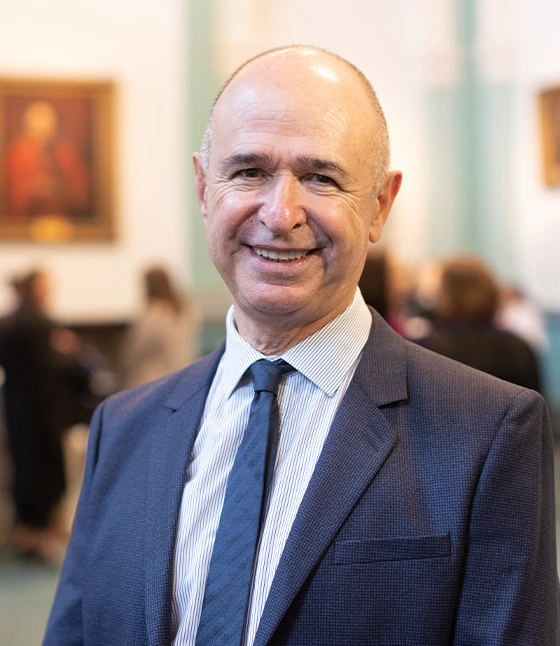
Peter Lachman works across different countries. In Ireland he delivered programmes to develop clinical leaders in quality improvement at the RCPI. In Africa he works on patient safety and quality programmes in Sudan, Tanzania, Ethiopia and Mozambique for the HSE Global Health Programme. He is the Director of the Patient Safety Movement Foundation Global Patient Safety Fellowship programme. He was Chief Executive Officer of the International Society for Quality in Healthcare ISQua from May 2016 to April 2021
He was a Health Foundation Quality Improvement Fellow at IHI in 2005-2006 and was the Deputy Medical Director with the lead for Patient Safety at Great Ormond Street Hospital 2006-2016. He was also a Consultant Paediatrician at the Royal Free Hospital in London specialising in the challenge of long term conditions for children.
Previously he was a Medical Director and Clinical Director of Paediatrics at North West London NHS Trust from 1996 -2004, Paediatrician at Queens Medical Centre in Nottingham from 1994-1996, Consultant Paediatrician and Head of Child Development at Red Cross War Memorial Children’s Hospital in Cape Town in South Africa 1987-1994.
He is the lead editor of the OUP Handbook on Patient Safety published in April 2022; Co-Editor of the OUP Handbook on Medical Leadership and Management published in December 2022; and Editor of the OUP Handbook on Quality Improvement in Healthcare published February 2024.
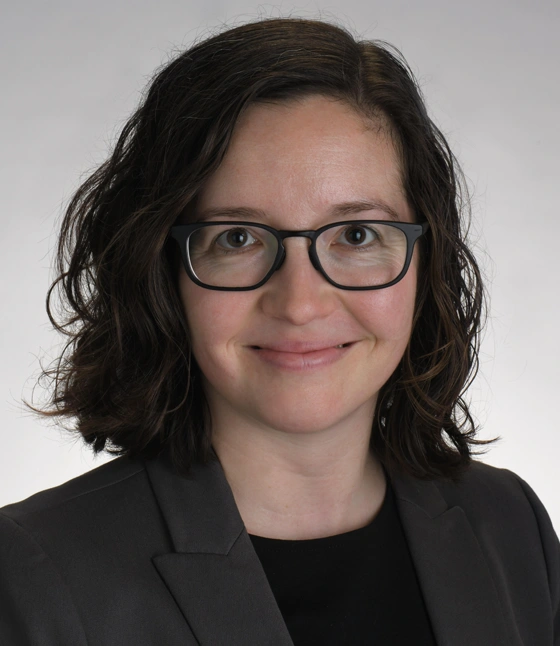
Rachel Forcino is an Assistant Professor of Population Health at the University of Kansas School of Medicine (Kansas City, Kansas, United States). Her professional interests include integrating health and social services to address person-centered priorities and improve service user experiences. She also teaches health economics to emerging healthcare administrators.
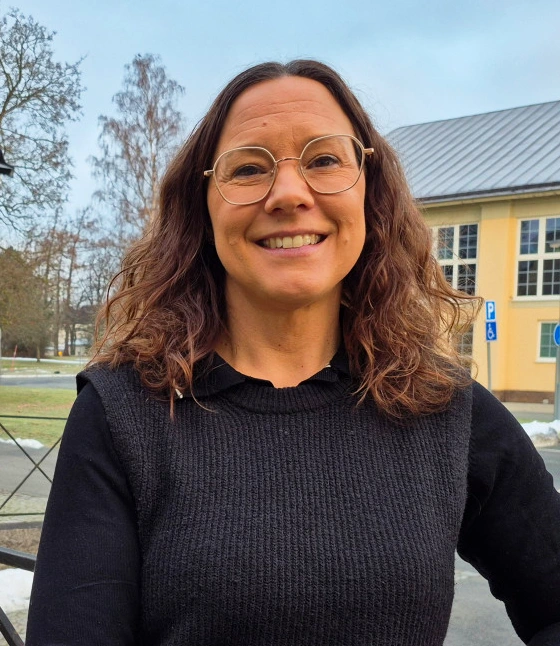
Christina Petersson is the Director of Jönköping Academy for the Improvement of Health and Welfare and Senior Development Leader at Region Jönköping County, Sweden and Associate Professor in Improvement Science and Leadership at Jönköping University.
She collaborates with a wide range of researchers to develop, advance, and lead research projects in improvement and leadership with the aim of contributing to renewal and enhanced quality in health and welfare. Some examples of her research focus on co-production to improve support and services for people with long-term conditions. Christina has more than 20 years of experience working in healthcare and is a registered nurse by training, specializing in pediatrics.