
The realization that safer healthcare is not a “binary” phenomenon, but a result from a complex set of factors working together in various ways and that healthcare is not limited to what occurs in hospitals led Charles and his colleague to work together to write their important book. Maren and her colleagues at Cambridge Health Alliance near Boston took those ideas and built their efforts. She describes how direct involvement of a patient and his spouse offered a much more helpful understanding of a fall that occurred shortly after this patient-person was admitted to the hospital. Together they illustrate how ideas become new ways of conducting the daily work of making safer healthcare. They open consideration of how automation enters the co-productive workspace and illustrate both its opportunities and its challenges.
Guests

Charles Vincent
M Phil PhD, Professor of Psychology, University of Oxford, Emeritus Professor Clinical Safety Research, Imperial College London.
More about Charles
Charles trained as a Clinical Psychologist and worked in the British NHS for several years. Since 1985 he has carried out research on the causes of harm to patients, the consequences for patients and staff and methods of improving the safety of healthcare. He established the Clinical Risk Unit at University College in 1995 where he was Professor of Psychology before moving to the Department of Surgery and Cancer at Imperial College in 2002. He is the editor of Clinical Risk Management (BMJ Publications, 2nd edition, 2001), author of Patient Safety (2ned edition 2010) and author of many papers on medical error, risk and patient safety. With Rene Amalberti he published ‘Safer healthcare: strategies for the real world’ Springer, Open Access (2016). From 1999 to 2003 he was a Commissioner on the UK Commission for Health Improvement and has advised on patient safety in many inquiries and committees including the recent Berwick Review.
In 2007 he was appointed Director of the National Institute of Health Research Centre for Patient Safety & Service Quality at Imperial College Healthcare Trust. He is a Fellow of the Academy of Social Sciences and was recently reappointed as a National Institute of Health Research Senior Investigator. In 2014 he took up a new most as Health Foundation professorial fellow in the Department of Psychology, University of Oxford where he continues his work on safety in healthcare and led the Oxford Region NHS Patient Safety Collaborative and was Director of Oxford Healthcare Improvement.
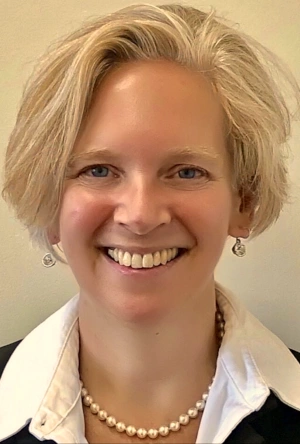
Maren Batalden
MD, MPH, Chief Quality Officer at Cambridge Health Alliance, Cambridge (MA).
More about Maren
The Cambridge Health Alliance (CHA) is an integrated healthcare delivery system in Cambridge, Massachusetts, that includes a network of primary care clinics, three emergency departments, two community hospitals, comprehensive behavioral health services, and a public health department.
Dr. Batalden is clinically active as a hospitalist and is engaged in teaching quality, safety and systems improvement to undergraduate, graduate, and mid-career health professional learners. In all of her work – as a practicing clinician, as an educator, and as a leader of institutional change projects, she is interested in using the lens of co-production to catalyze more effective partnership between patients and health professionals.
Dr. Batalden completed her undergraduate education at St. Olaf College in Minnesota and earned a master’s degree in public health from the University of North Carolina at Chapel Hill. She graduated from Harvard Medical School and completed a residency in Internal Medicine at the Brigham and Women’s Hospital in Boston, Massachusetts. She is an Assistant Professor in Medicine at Harvard Medical School.
Supplementary materials
Readings
Vincent C. Patient Safety. 2nd ed. 2010; Wiley-Blackwell:Hoboken,NJ.
Vincent C, Amalberti R. Safer Healthcare. 2016; Springer:New York,NY. An open access version of this book is available at: https://link.springer.com/book/10.1007/978-3-319-25559-0
Strauch B. Ironies of Automation: Still Unresolved After All These Years. IEEE TRANSACTIONS ON HUMAN-MACHINE SYSTEMS (2018) VOL. 48, NO. 5.